Unwanted Hair in Los Gatos, CA

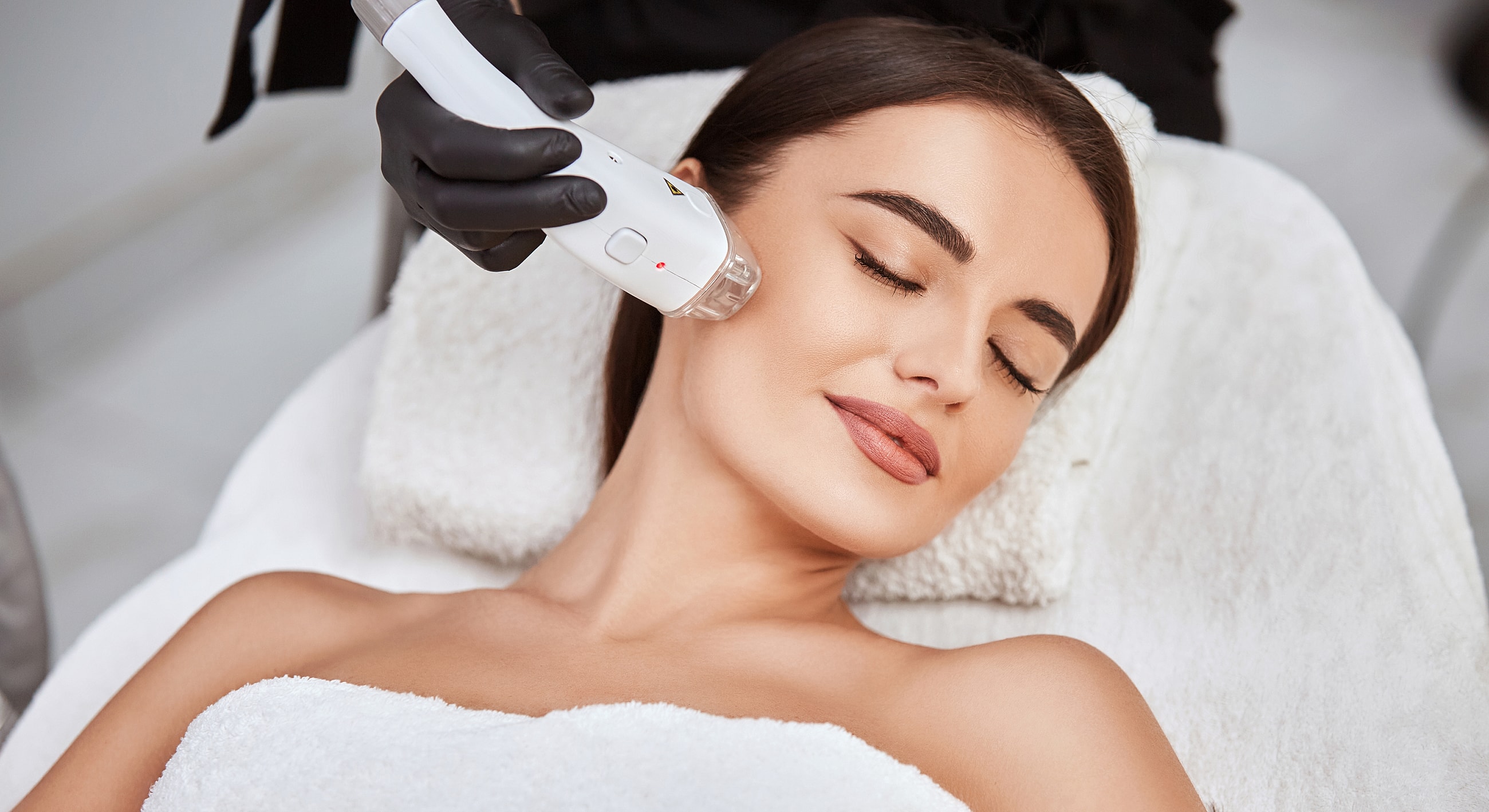
Unwanted hair, medically known as hirsutism or hypertrichosis, refers to excessive hair growth in areas where it is typically minimal or absent, often causing significant cosmetic concern and emotional distress for affected individuals. This condition can manifest in various body areas, including the face, chest, back, and limbs, and its impact extends beyond physical appearance, frequently affecting self-esteem and social interactions. While hypertrichosis involves an increase in hair density anywhere on the body, hirsutism specifically denotes excessive male-pattern hair growth in women, driven by androgen hormones.
Understanding the distinction between these subtypes is crucial for accurate diagnosis and effective management. The presence of unwanted hair can range from fine, vellus hair to thick, terminal hair, with the latter being more noticeable and often more challenging to manage. Patients frequently seek solutions for long-term hair reduction due to the persistent nature of the condition and the inconvenience of temporary removal methods.

The root causes of unwanted hair are multifaceted, often involving a complex interplay of genetic predispositions, hormonal imbalances, and certain medical conditions or medications. Genetic factors play a significant role, with many individuals inheriting a tendency for increased hair growth from their family. This genetic component can dictate hair thickness, color, and distribution, making some individuals naturally more prone to developing unwanted hair.
Beyond genetics, hormonal fluctuations are a primary driver, particularly in cases of hirsutism. Conditions such as Polycystic Ovary Syndrome (PCOS), adrenal gland disorders, and certain tumors can lead to an overproduction of androgens, male hormones that stimulate hair follicles to produce thicker, darker hair. Medications like anabolic steroids, testosterone, and some immunosuppressants can also induce or exacerbate unwanted hair growth. Understanding these underlying mechanisms is essential for tailoring an effective treatment plan that addresses both the symptoms and their causes.
While not all forms of unwanted hair are entirely preventable, proactive steps can significantly manage its progression and mitigate its impact, aligning with Dr. Bitter's philosophy of early intervention and comprehensive skin health. For hormonally-driven hirsutism, managing underlying conditions like PCOS through lifestyle modifications, diet, and medical treatments can help regulate androgen levels and reduce excessive hair growth. Regular consultations with a healthcare provider are crucial for monitoring hormonal balance and adjusting management strategies as needed.
Adopting a consistent skincare regimen that supports overall skin health can also be beneficial, particularly when considering future hair reduction treatments. Dr. Bitter emphasizes the importance of maintaining skin integrity and resilience, as healthy skin responds better to treatments and experiences fewer side effects. Protecting the skin from sun damage and maintaining proper hydration are foundational elements of this proactive approach, preparing the skin for optimal outcomes from advanced aesthetic modalities.
Dr. Patrick Bitter Jr., MD, is a world-renowned pioneer in aesthetic dermatology whose groundbreaking work has revolutionized light-based skin treatments. His invention of the FotoFacial™ in 1998 marked a pivotal moment, establishing the efficacy of Intense Pulsed Light (IPL) technology for various skin concerns. This innovation was further legitimized by his landmark 2000 study, which provided scientific validation of IPL's transformative effects. Dr. Bitter's commitment to advancing the field continued with his co-authorship of the 2013 Stanford gene expression study, which demonstrated that Broadband Light (BBL) therapy can reverse the molecular markers of skin aging, effectively turning back the clock on cellular processes.
With a legacy of over 20,000 daily IPL/BBL procedures worldwide, Dr. Bitter's expertise is unparalleled. His contributions were recognized with the prestigious Aesthetic Medicine Icon honor in 2025, solidifying his status as a visionary leader. This profound understanding of light-based therapies positions him uniquely to recommend the most effective Sciton modalities for addressing unwanted hair, leveraging technology he helped pioneer and perfect.
BBL Forever Bare™ is specifically designed for comfortable and effective permanent hair reduction, utilizing advanced broadband light technology to target hair follicles across all skin types. This innovative system delivers multiple pulses at a high repetition rate, gradually heating the hair follicles to therapeutic temperatures while keeping the surrounding skin cool and protected. The gradual heating process minimizes discomfort and allows for a more thorough treatment of the target area, leading to significant and lasting hair reduction.
Dr. Bitter's LaserSense™ HOCl line is rooted in cutting-edge science, leveraging the power of Hypochlorous Acid (HOCl), a naturally occurring molecule with potent antimicrobial, anti- inflammatory, and wound-healing properties, as detailed in the co-authored 2019 paper. This line is designed to support skin recovery and maintain optimal skin health, particularly in conjunction with aesthetic treatments. For individuals undergoing hair removal, the soothing and protective benefits of HOCl are invaluable.
LaserSense™ Dermal Spray is highly recommended post-hair removal treatments to calm irritated skin, reduce redness, and prevent potential infections, promoting a faster and more comfortable recovery. LaserSense™ Post Procedure Gel offers intensive hydration and healing support, ideal for sensitive skin areas after treatment, helping to restore the skin's natural barrier function.
Alastin Skincare® stands out for its proprietary TriHex Technology®, a synergistic blend of active peptides and botanicals that supports the skin's natural ability to produce new, healthy collagen and elastin. This technology is crucial for maintaining skin elasticity, firmness, and overall rejuvenation, making it an excellent complement to aesthetic procedures. For those managing unwanted hair, optimizing skin health ensures better treatment outcomes and faster recovery.
Alastin Regenerating Skin Nectar is an essential product to use before and after hair removal treatments, as it helps to rapidly calm the skin, reduce redness, and accelerate the healing process. Alastin Ultra Nourishing Moisturizer provides deep hydration and reinforces the skin's barrier, which is vital for maintaining comfort and preventing dryness, especially after light- based therapies. Alastin HydraTint Pro Mineral SPF 36 is crucial for daily use to protect treated areas from sun exposure, preventing post-inflammatory hyperpigmentation and supporting long-term skin health.
[1] Bitter, P. (n.d.). About Dr. Patrick Bitter Jr., MD. Patrick Bitter Jr., MD. https://patrickbitterjrmd.com/about/
[2] Chang, A. L. S., et al. (2013). Noninvasive score that accurately reflects histologic changes with aging in human skin. Journal of Investigative Dermatology. https://pubmed.ncbi.nlm.nih.gov/22931923/
[3] Gold, M. H., et al. (2016). Acne Treatment with 3-Step Broadband Light Protocol. Journal of Drugs in Dermatology. https://jddonline.com/articles/acne-treatment-with-3-step-broadband- light-protocol-S1545961616P1382X
[4] Bitter, P., & Pozner, J. (2019). Hypochlorous Acid: A Review of Current Research and Clinical Applications. Journal of Clinical and Aesthetic Dermatology. https://pubmed.ncbi.nlm.nih.gov/31904191/
[5] Aesthetic Guide. (2026). From Peels to Protocols: The Modern Makeup of Cosmetic Dermatology. The Aesthetic Guide. https://www.theaestheticguide.com/aesthetic- dermatology/from-peels-to-protocols-the-modern-makeup-of-cosmetic-dermatology
[6] Sciton. (n.d.). A Revolutionary Breakthrough in Aesthetics: Meet the World's Smartest Pulsed Light Device, BBL HEROic. Sciton Blog. https://sciton.com/blog-a-revolutionary-breakthrough-in- aesthetics-meet-the-worlds-smartest-pulsed-light-device-bbl-heroic/