Age Spots Treatment in Los Gatos, CA
Serving Campbell, Saratoga, San Jose, and Silicon Valley

Serving Campbell, Saratoga, San Jose, and Silicon Valley
Age Spots: Comprehensive Condition Guide & Treatment Protocols
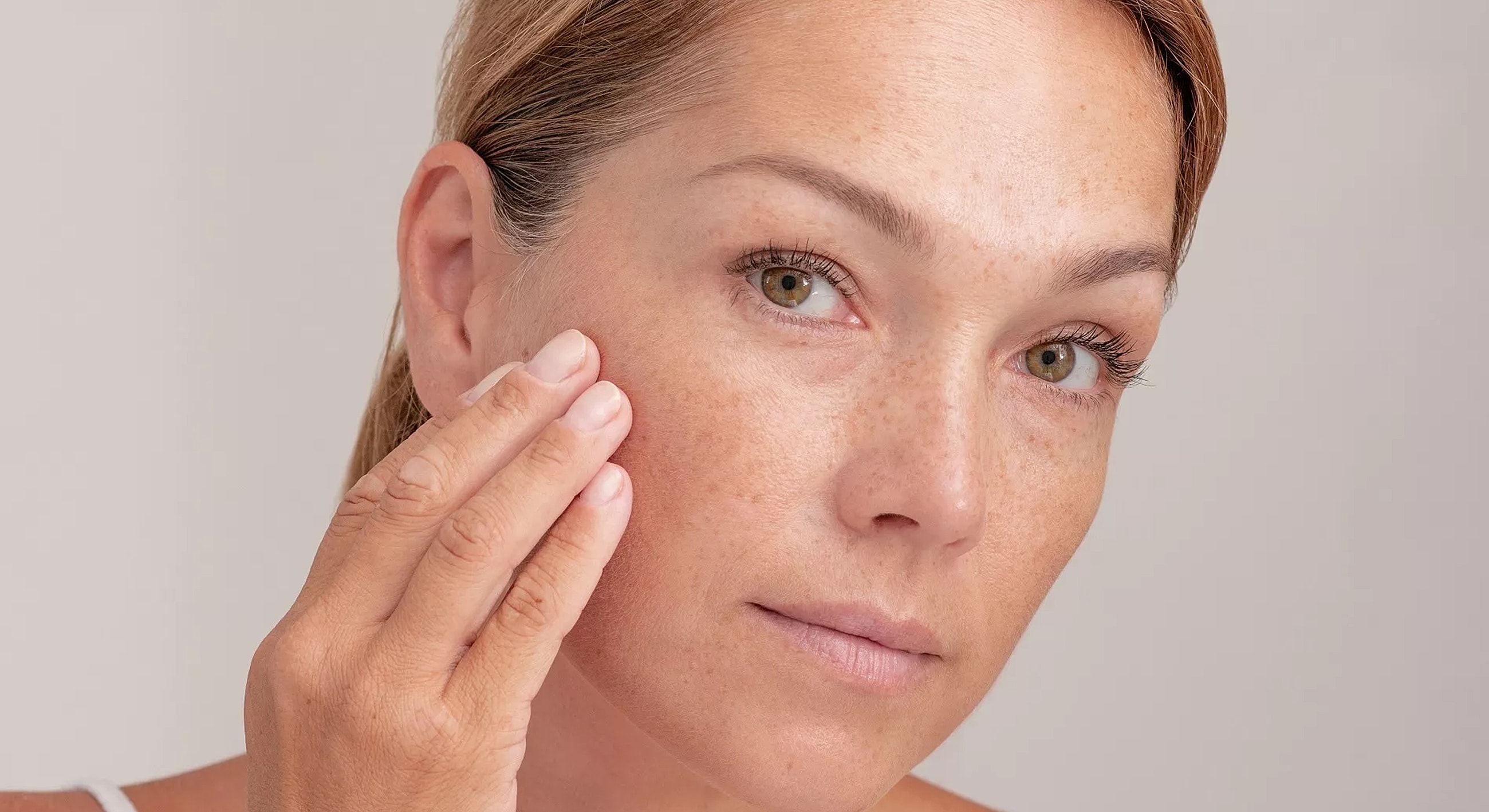
Age spots, also known as solar lentigines or liver spots, are common, flat, oval areas of increased pigmentation that typically appear on sun-exposed skin. These benign lesions vary in size and are usually tan, brown, or black. While they are often associated with aging, their primary cause is prolonged exposure to ultraviolet (UV) radiation from the sun or tanning beds, leading to an overproduction of melanin by melanocytes. They are most prevalent on the face, hands, shoulders, and arms, areas frequently exposed to sunlight.
Age spots are a form of hyperpigmentation, distinct from freckles, which often fade in winter, and moles, which are raised and can be cancerous. Although generally harmless, their presence can be a cosmetic concern for many individuals, contributing to an uneven skin tone and a perceived older appearance. Understanding their nature is the first step toward effective prevention and treatment strategies.

The primary cause of age spots is chronic exposure to ultraviolet (UV) radiation, which stimulates melanocytes, the pigment-producing cells in the skin, to produce excess melanin. Over time, this melanin accumulates in concentrated areas, leading to the characteristic dark spots. This process is exacerbated by cumulative sun exposure throughout an individual's life, explaining why these spots become more common with increasing age.
Beyond UV radiation, genetic predisposition plays a role, as some individuals are more prone to developing age spots than others. Fairer skin types, which have less natural protection against UV damage, are particularly susceptible. The biological mechanism involves an irregular distribution of melanin and an increase in the number of melanocytes in the basal layer of the epidermis. This cellular response is a protective measure against further UV damage, yet it results in the visible pigmentation we recognize as age spots.
Effective prevention of age spots centers on diligent sun protection, a cornerstone of Dr. Bitter's philosophy of proactive skin health and early intervention. Limiting exposure to UV radiation is paramount, especially during peak sun hours between 10 a.m. and 4 p.m. This proactive approach significantly reduces the cumulative damage that leads to hyperpigmentation.
Regular and consistent use of broad-spectrum sunscreen with an SPF of 30 or higher is essential, applied generously to all exposed skin and reapplied every two hours, or more frequently if swimming or sweating. Protective clothing, such as wide-brimmed hats, sunglasses, and long- sleeved shirts, provides an additional physical barrier against harmful UV rays. Dr. Bitter emphasizes that preventing sun damage from an early age is the most effective strategy to maintain youthful, even-toned skin and minimize the development of age spots.
Dr. Patrick Bitter Jr., MD, is a world-renowned pioneer in aesthetic dermatology, whose innovations have revolutionized the treatment of various skin conditions, including age spots. His groundbreaking work began with the invention of the FotoFacial™ in 1998, a procedure that transformed the landscape of light-based skin rejuvenation. This was followed by his landmark 2000 study, which provided scientific validation for Intense Pulsed Light (IPL) technology, establishing its efficacy and safety. His commitment to advancing skin health was further solidified by his co-authorship of the 2013 Stanford gene expression study, which scientifically proved that Broadband Light (BBL) therapy can reverse the molecular signs of skin aging, making skin cells behave like younger cells.
With over 20,000 daily IPL/BBL procedures performed worldwide based on his protocols, Dr. Bitter's legacy is profound. His continuous contributions to the field were recognized with the prestigious Aesthetic Medicine Icon honor in 2025, a testament to his enduring influence and expertise. For age spots, Dr. Bitter leverages advanced Sciton treatment modalities that target pigmentation with precision and efficacy, restoring clarity and uniformity to the skin.
BBL® HEROic™ is an advanced broadband light therapy that is exceptionally effective in treating age spots by targeting melanin with precision. This innovative technology delivers rapid, high-powered light pulses that are absorbed by the pigment in age spots, causing them to heat up and break apart. The body's natural healing process then clears away these fragmented pigment particles, revealing clearer, more even-toned skin. The Forever Young BBL protocol, often utilized with BBL HEROic, not only addresses existing age spots but also helps to prevent new ones by promoting healthier skin at a cellular level.
HALO® TRIBRID™ is the world's first and only triple-wavelength hybrid fractional laser, offering unparalleled results for age spots and overall skin rejuvenation. This treatment combines ablative and non-ablative wavelengths to precisely target both the superficial and deeper layers of the skin where pigment resides. HALO TRIBRID effectively removes pigmented lesions while simultaneously stimulating collagen production, leading to a significant reduction in age spots and an improvement in skin texture and tone. Its customizable settings allow for tailored treatments, ensuring optimal outcomes for various skin types and concerns.
Dr. Bitter's LaserSense™ HOCl line is formulated based on the scientific understanding of hypochlorous acid (HOCl), a naturally occurring molecule with powerful antimicrobial and anti-inflammatory properties, as highlighted in the seminal 2019 HOCl paper. This advanced skincare range is designed to support skin healing, reduce inflammation, and optimize skin health, particularly after aesthetic procedures. The gentle yet effective nature of HOCl makes it ideal for maintaining skin integrity and enhancing recovery.
Alastin Skincare® is renowned for its proprietary TriHex Technology®, a synergistic blend of active peptides and botanicals specifically engineered to support the skin's natural ability to produce new, healthy elastin and collagen. This technology also helps to clear out damaged proteins, creating an optimal environment for skin rejuvenation and enhancing the results of aesthetic treatments. For age spots, Alastin products work to improve overall skin health and reduce the appearance of discoloration.
[1] Patrick Bitter Jr., MD. (n.d.). About Dr. Bitter. Patrick Bitter Jr., MD. https://patrickbitterjrmd.com/about/
[2] Chang, A. L. S., et al. (2013). Noninvasive score for assessing skin aging by quantifying histological changes and gene expression. Journal of Investigative Dermatology. https://pubmed.ncbi.nlm.nih.gov/22931923/
[3] Bitter, P. Jr., & Pozner, J. N. (2016). Acne Treatment with 3-Step Broadband Light Protocol. Journal of Drugs in Dermatology. https://jddonline.com/articles/acne-treatment-with-3-step- broadband-light-protocol-S1545961616P1382X
[4] Bitter, P. Jr., & Pozner, J. N. (2019). Hypochlorous Acid: A Novel Approach to Wound Care and Scar Management. Journal of Clinical and Aesthetic Dermatology. https://pubmed.ncbi.nlm.nih.gov/31904191/
[5] The Aesthetic Guide. (2026). From Peels to Protocols: The Modern Makeup of Cosmetic Dermatology. The Aesthetic Guide. https://www.theaestheticguide.com/aesthetic- dermatology/from-peels-to-protocols-the-modern-makeup-of-cosmetic-dermatology
[6] Sciton. (n.d.). A Revolutionary Breakthrough in Aesthetics: Meet the World's Smartest Pulsed Light Device, BBL HEROic. Sciton Blog. https://sciton.com/blog-a-revolutionary-breakthrough-in- aesthetics-meet-the-worlds-smartest-pulsed-light-device-bbl-heroic/