Rosacea In LOS GATOS, CA

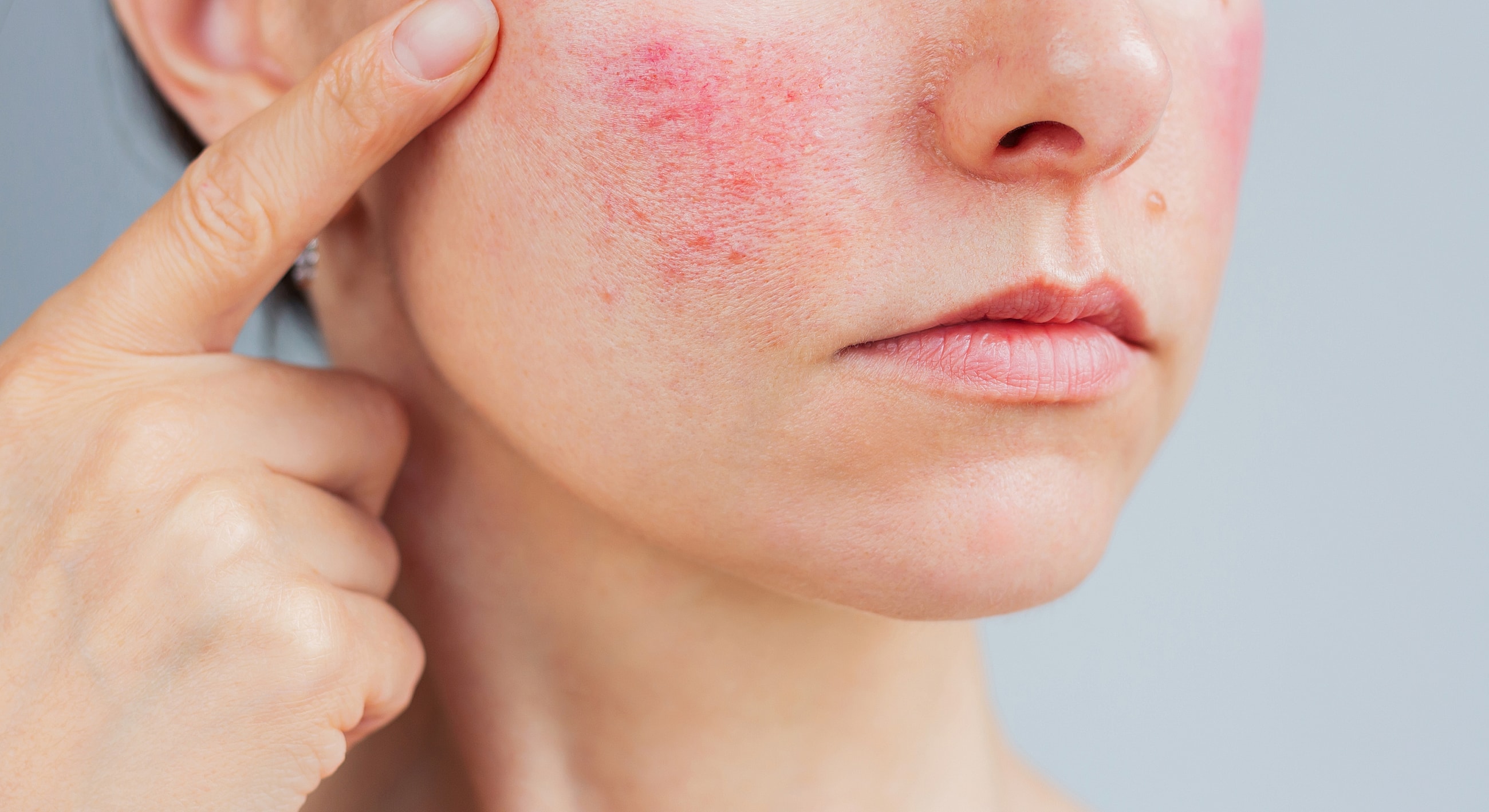
Rosacea is a chronic inflammatory skin condition primarily affecting the face, characterized by redness, visible blood vessels, papules, and pustules. This common dermatological disorder often presents with flushing, persistent erythema, and telangiectasias, predominantly on the central face. It can significantly impact a patient's quality of life due to its visible symptoms and potential for discomfort, including burning or stinging sensations. Rosacea is typically classified into four subtypes: erythematotelangiectatic rosacea (ETR) with flushing and persistent redness, papulopustular rosacea (PPR) with acne-like breakouts, phymatous rosacea involving skin thickening, and ocular rosacea affecting the eyes.
The progression of rosacea can vary widely among individuals, often beginning with transient flushing that gradually becomes more persistent. Without appropriate management, the condition can worsen, leading to more pronounced redness, increased visibility of blood vessels, and the development of inflammatory lesions. Understanding the specific subtype and individual triggers is crucial for effective treatment and long-term control of rosacea symptoms.

The exact cause of rosacea remains complex and multifactorial, involving a combination of genetic predisposition, environmental triggers, and immune system dysregulation. Research suggests that an overactive innate immune system, particularly involving cathelicidin peptides, plays a significant role in the inflammatory response seen in rosacea. Abnormalities in neurovascular signaling also contribute to the characteristic flushing and persistent erythema.
Several contributing factors are known to exacerbate rosacea symptoms, including exposure to sunlight, extreme temperatures, spicy foods, alcohol, and certain cosmetic products. Demodex mites, a common inhabitant of human skin, are also implicated, with higher densities found in rosacea patients potentially triggering immune responses. Additionally, a compromised skin barrier function may allow irritants to penetrate more easily, leading to inflammation and increased sensitivity.
The biological mechanisms underlying rosacea involve a cascade of inflammatory pathways and vascular hyperreactivity. This leads to dilated blood vessels and chronic inflammation, manifesting as the visible redness and lesions. Genetic factors are believed to influence an individual's susceptibility to these triggers and the severity of their inflammatory response, making a personalized approach to treatment essential.
Proactive prevention strategies are paramount in managing rosacea and minimizing flare-ups, aligning with Dr. Bitter's philosophy of proactive skin health and early intervention. Identifying and avoiding individual triggers is the cornerstone of prevention. This includes meticulous sun protection, such as daily use of broad-spectrum sunscreen and protective clothing, as UV radiation is a major exacerbating factor.
Maintaining a consistent, gentle skincare routine is crucial to support the skin barrier and reduce inflammation. Patients should use mild, non-irritating cleansers and moisturizers specifically formulated for sensitive skin, avoiding harsh exfoliants, astringents, and alcohol- based products. Dr. Bitter emphasizes that early intervention with appropriate skincare and lifestyle adjustments can significantly mitigate the progression of rosacea and improve long- term outcomes.
Lifestyle modifications, such as managing stress, avoiding extreme temperatures, and limiting consumption of trigger foods and beverages, also play a vital role in preventing rosacea flares. Regular consultation with a dermatologist allows for ongoing assessment and adjustment of prevention strategies, ensuring the most effective approach to maintaining skin health and preventing the worsening of symptoms.
Dr. Patrick Bitter Jr., MD, is a world-renowned pioneer in aesthetic dermatology, whose innovations have revolutionized the treatment of various skin conditions. He invented the FotoFacial™ in 1998, a groundbreaking procedure that transformed the use of intense pulsed light (IPL) for skin rejuvenation. His landmark study in 2000 legitimized IPL as a powerful tool in dermatology, setting the stage for future advancements. Dr. Bitter's commitment to scientific rigor was further demonstrated by his co-authorship of the 2013 Stanford gene expression study, which scientifically proved that Broadband Light (BBL) therapy can reverse skin aging at the molecular level.
With over 20,000 daily IPL/BBL procedures performed worldwide, Dr. Bitter's legacy in aesthetic medicine is unparalleled. His expertise and innovative protocols have made a profound impact on patient care globally. In recognition of his enduring contributions, he was honored as an Aesthetic Medicine Icon in 2025. His work continues to shape the landscape of non-invasive skin treatments, offering patients effective and scientifically validated solutions for a wide range of concerns, including the challenging symptoms of rosacea.
BBL® HEROic™ is an exceptional treatment for rosacea, specifically targeting the redness and visible blood vessels associated with the condition. This advanced Broadband Light technology utilizes specialized vascular filters to precisely deliver light energy that is absorbed by the hemoglobin in blood vessels, leading to their coagulation and eventual reabsorption by the body. The treatment effectively reduces diffuse redness, flushing, and telangiectasias, providing a clearer and more even complexion.
MOXI™ is a gentle, non-ablative fractional laser that can be highly beneficial for improving the overall tone and texture of rosacea-prone skin, particularly for maintenance and prevention of future flares. This treatment works by creating micro-coagulation zones in the skin, stimulating the body's natural healing process and promoting the growth of fresh, healthy cells. MOXI helps to improve skin clarity, reduce uneven pigmentation, and enhance the skin's barrier function, making it more resilient against rosacea triggers.
Dr. Bitter's LaserSense™ HOCl line is formulated based on the scientific understanding of hypochlorous acid's powerful antimicrobial and anti-inflammatory properties, as highlighted in the 2019 HOCl paper. This line is designed to support skin healing, reduce irritation, and protect the skin's natural barrier, making it ideal for sensitive and compromised skin conditions like rosacea.
LaserSense™ HOCl Dermal Spray is highly recommended for rosacea patients due to its soothing and calming effects. This gentle spray helps to reduce redness and inflammation, providing immediate relief and supporting the skin's natural healing processes without causing further irritation.
Alastin Skincare® is renowned for its innovative TriHex Technology®, a proprietary blend of active peptides and botanicals that supports the skin's natural ability to produce new, healthy elastin and collagen. This technology helps to clear out damaged proteins and replenish the skin with essential building blocks, optimizing skin health and preparing it for aesthetic procedures.
Regenerating Skin Nectar is an excellent choice for rosacea patients, as it helps to calm redness and support the skin's recovery process. This product aids in strengthening the skin barrier, making it more resilient to environmental stressors and reducing sensitivity.
Ultra Nourishing Moisturizer provides essential hydration and helps to restore the skin's delicate barrier function, which is often compromised in rosacea. Its rich, emollient formula soothes dry, irritated skin without clogging pores or exacerbating redness.
HydraTint Pro Mineral SPF 36 offers crucial broad-spectrum sun protection with a mineral- based formula, ideal for sensitive, rosacea-prone skin. This tinted sunscreen provides a subtle, natural finish while shielding the skin from harmful UV rays, a known trigger for rosacea flare- ups.
[1] Dr. Bitter About page. https://patrickbitterjrmd.com/about/
[2] Chang, A. L. S., et al. (2013). Molecular Rejuvenation of Chronologically Aged Human Skin with Intense Pulsed Light. Journal of Investigative Dermatology. https://pubmed.ncbi.nlm.nih.gov/22931923/
[3] Gold, M. H., et al. (2016). Acne Treatment with 3-Step Broadband Light Protocol. Journal of Drugs in Dermatology. https://jddonline.com/articles/acne-treatment-with-3-step-broadband- light-protocol-S1545961616P1382X
[4] Bitter, P. (2019). Hypochlorous Acid: A Review of the Current Literature and Clinical Applications. Journal of Clinical and Aesthetic Dermatology. https://pubmed.ncbi.nlm.nih.gov/31904191/
[5] The Aesthetic Guide. (2026). From Peels to Protocols: The Modern Makeup of Cosmetic Dermatology. https://www.theaestheticguide.com/aesthetic-dermatology/from-peels-to- protocols-the-modern-makeup-of-cosmetic-dermatology
[6] Sciton. (n.d.). A Revolutionary Breakthrough in Aesthetics: Meet the World's Smartest Pulsed Light Device, BBL HEROic. https://sciton.com/blog-a-revolutionary-breakthrough-in-aesthetics- meet-the-worlds-smartest-pulsed-light-device-bbl-heroic/
[7] Alastin Skincare. (n.d.). Regenerating Skin Nectar. https://alastin.com/products/regenerating-skin-nectar