Acne Treatment in Los Gatos, CA
Serving Campbell, Saratoga, San Jose, and Silicon Valley

Serving Campbell, Saratoga, San Jose, and Silicon Valley
Acne: Comprehensive Condition Guide & Treatment Protocols
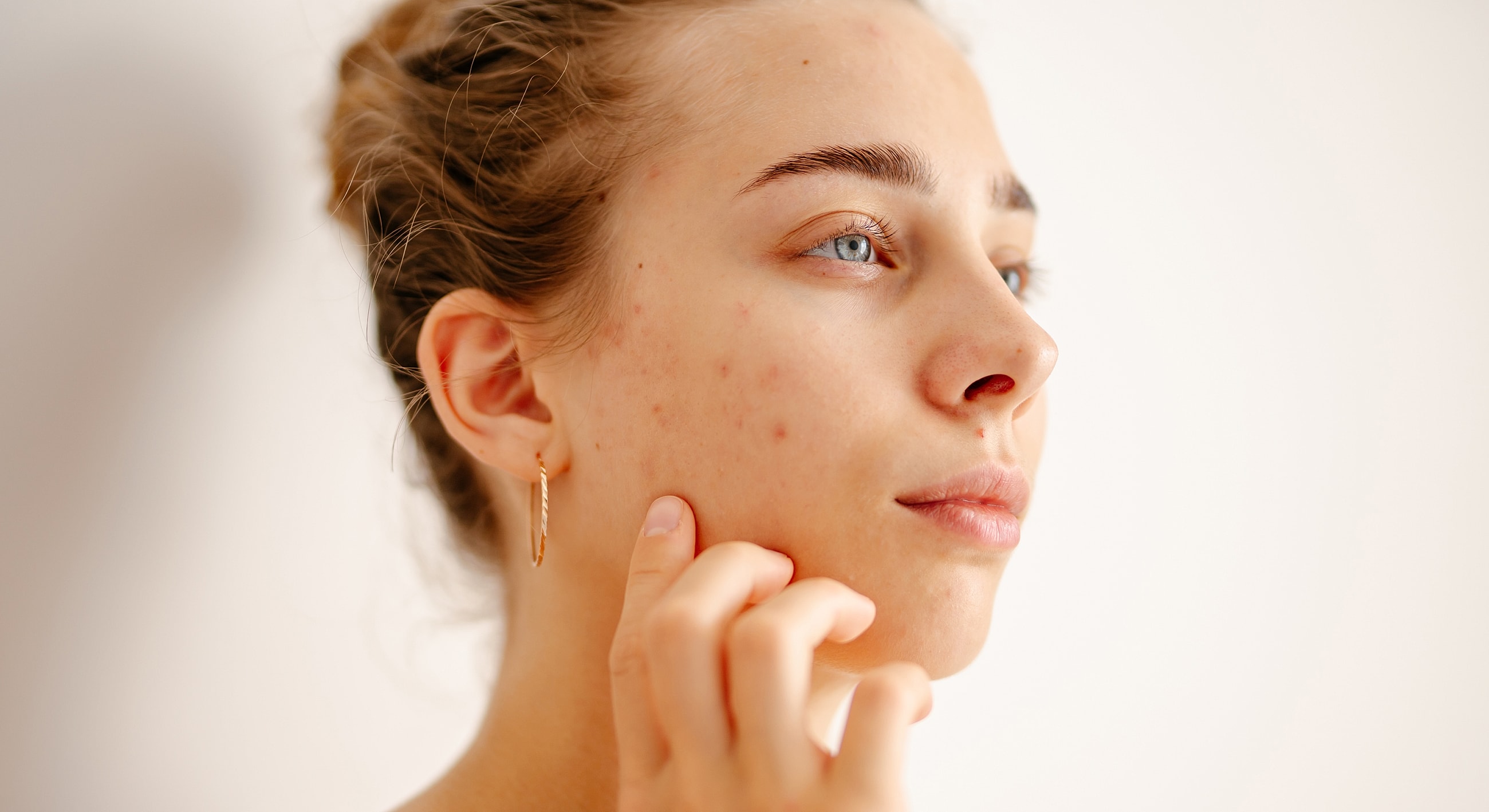
Acne vulgaris is a chronic inflammatory skin condition characterized by various lesions including blackheads, whiteheads, pimples, cysts, and nodules. This common dermatological concern arises when hair follicles become clogged with oil and dead skin cells, leading to bacterial proliferation and inflammation. Acne can manifest in forms ranging from mild breakouts to severe cystic or nodular acne, which can be painful and lead to significant scarring. Its impact often extends beyond physical symptoms, affecting an individual\'s self-esteem and mental health. Understanding acne classifications is crucial for effective management. Non-inflammatory acne includes open and closed comedones, which are clogged pores without significant inflammation. Inflammatory acne involves papules, pustules, nodules, and cysts. The severity and type of lesions dictate the most appropriate treatment approach, emphasizing personalized care.

The development of acne is a multifactorial process involving genetic predispositions, hormonal fluctuations, excessive sebum production, follicular hyperkeratinization, and bacterial overgrowth, primarily by *Cutibacterium acnes*. Acne begins when sebaceous glands, stimulated by androgens, produce an excess of sebum. This overproduction, combined with an abnormal shedding of dead skin cells within hair follicles, leads to the formation of microcomedones.
As microcomedones evolve, they become clogged, creating an anaerobic environment conducive to C. acnes proliferation. These bacteria metabolize sebum into fatty acids, triggering an inflammatory response within the follicle and surrounding skin. This inflammation drives the redness, swelling, and pain associated with inflammatory lesions. Genetic factors also play a significant role, with individuals often having a family history of acne.
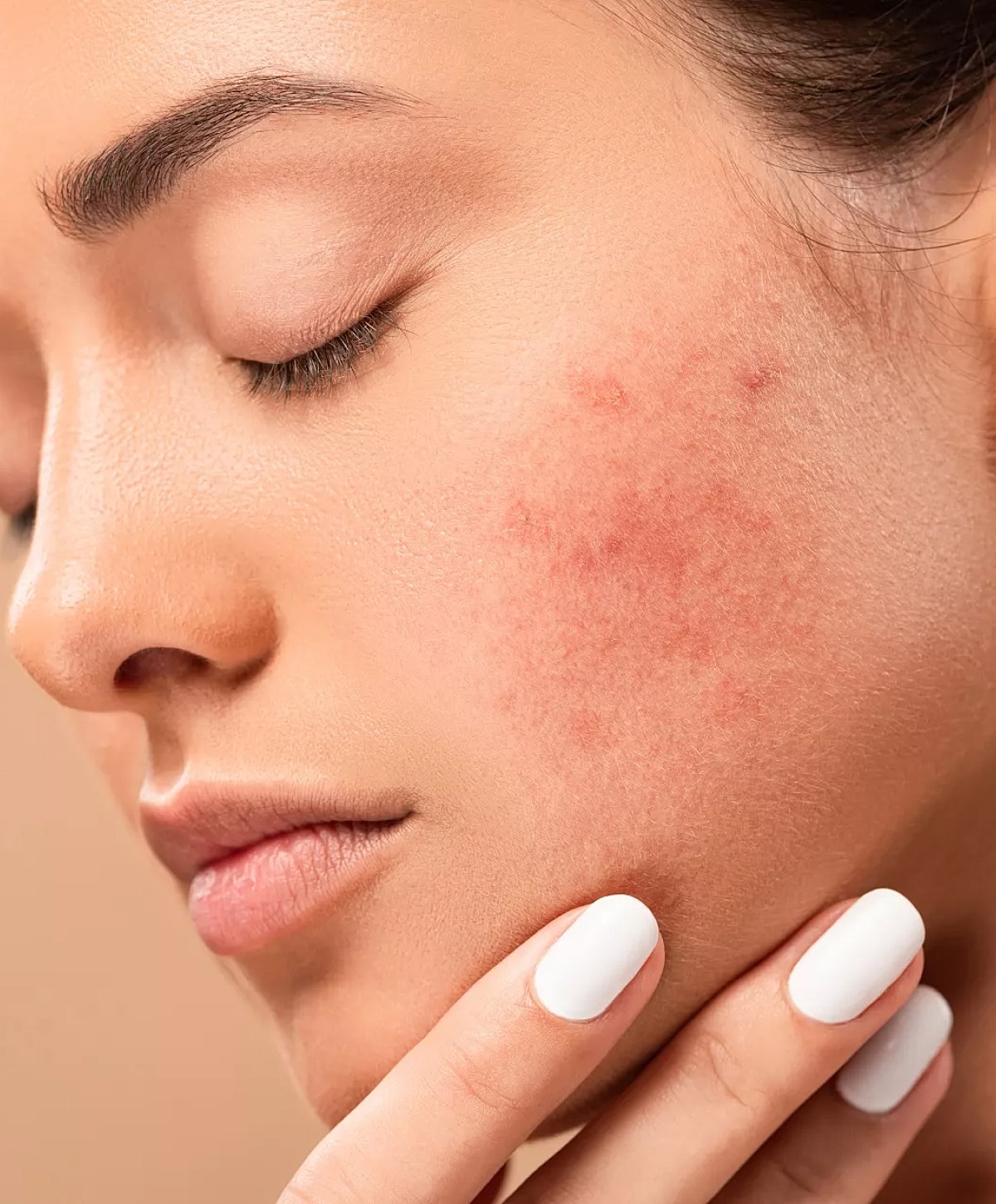
Proactive prevention strategies are paramount in managing acne and minimizing its recurrence, aligning with Dr. Bitter's philosophy of maintaining optimal skin health through early intervention. A consistent and gentle skincare routine forms the cornerstone of prevention. This includes cleansing the skin twice daily with a mild, non-comedogenic cleanser to remove excess oil, dirt, and makeup without stripping the skin\'s natural barrier. Regular exfoliation can help prevent the buildup of dead skin cells that clog pores. Beyond daily cleansing, lifestyle adjustments can significantly impact acne prevention. Maintaining a balanced diet, rich in fruits, vegetables, and lean proteins, while limiting processed foods and excessive sugar, may help regulate hormonal fluctuations and reduce inflammation. Stress management techniques can also mitigate stress-induced breakouts. Avoiding touching or picking at the face prevents bacterial spread and reduces lesion exacerbation.
Dr. Patrick Bitter Jr., MD, a pioneer in aesthetic dermatology, invented the FotoFacial™ in 1998 and published the landmark 2000 study legitimizing Intense Pulsed Light (IPL) therapy. His 2013 Stanford gene expression study proved BBL reverses skin aging at a molecular level. With a legacy of over 20,000 daily IPL/BBL procedures worldwide, he was honored as an Aesthetic Medicine Icon in 2025. Dr. Bitter\'s expertise led to the highly effective 3-Step BBL Protocol for acne (2016). His work with Sciton\'s BBL technology provides patients with unparalleled results. The following Sciton modalities are particularly effective for treating acne, leveraging his protocols.
BBL® HEROic™ is an exceptional treatment for acne, utilizing advanced broadband light technology to target the root causes of breakouts. This innovative system delivers precise light energy to the skin, effectively reducing C. acnes bacteria, minimizing inflammation, and decreasing sebaceous gland activity. Dr. Bitter\'s FotoFacial Clear procedure and 3-Step BBL Protocol specifically leverage BBL HEROic\'s capabilities to clear existing acne lesions and prevent future outbreaks.
MOXI™ is an excellent complementary treatment for acne, particularly beneficial for maintenance and improving overall skin tone and texture post-acne. This gentle fractional laser delivers non-ablative energy to create micro-channels in the skin, stimulating cellular renewal and improving the appearance of mild acne scarring and post-inflammatory hyperpigmentation.
Dr. Bitter's LaserSense HOCl line is based on the science of hypochlorous acid (HOCl), a natural antimicrobial and anti-inflammatory agent. A 2019 paper established its efficacy in wound care and scar management, promoting healing and reducing bacteria. For acne, the LaserSense Dermal Spray is highly recommended to purify the skin, reduce bacteria, and calm inflammation. The LaserSense Post Procedure Gel soothes irritated skin and supports healing after breakouts or treatments.
Alastin Skincare® features proprietary TriHex Technology®, a blend of peptides and botanicals that supports the skin\'s natural ability to produce new, healthy elastin and collagen. This technology clears out damaged proteins and replenishes the skin, improving its health and texture. For acne management, several Alastin products are beneficial. The Regenerating Skin Nectar calms skin and accelerates recovery. The HA IMMERSE Serum provides intense, non- comedogenic hydration. Renewal Retinol promotes cell turnover and reduces pore congestion. The Ultra Nourishing Moisturizer offers lightweight hydration and protects the skin barrier.
[1] Patrick Bitter Jr., MD. (n.d.). About.
[2] Chang, A. L. S., et al. (2013). Genes and Youth: A Microarray Study of Gene Expression in Skin Treated with Broadband Light. Journal of Investigative Dermatology, 133(2), 394-402. https://pubmed.ncbi.nlm.nih.gov/22931923/ https://pubmed.ncbi.nlm.nih.gov/22931923/
[3] Bitter, P. H., & Pozner, J. N. (2016). Acne Treatment with 3-Step Broadband Light Protocol. Journal of Drugs in Dermatology, 15(11), 1382-1386. https://jddonline.com/articles/acne- treatment-with-3-step-broadband-light-protocol- S1545961616P1382X https://jddonline.com/articles/acne-treatment-with-3-step-broadband- light-protocol-S1545961616P1382X
[4] Gold, M. H., et al. (2019). Hypochlorous Acid: A Review of Current Applications and Clinical Efficacy. Journal of Clinical and Aesthetic Dermatology, 12(11), 30-36. https://pubmed.ncbi.nlm.nih.gov/31904191/ https://pubmed.ncbi.nlm.nih.gov/31904191/
[5] The Aesthetic Guide. (2026). From Peels to Protocols: The Modern Makeup of Cosmetic Dermatology. https://www.theaestheticguide.com/aesthetic-dermatology/from-peels-to- protocols-the-modern-makeup-of-cosmetic- dermatology https://www.theaestheticguide.com/aesthetic-dermatology/from-peels-to- protocols-the-modern-makeup-of-cosmetic-dermatology
[6] Sciton. (n.d.). A Revolutionary Breakthrough in Aesthetics: Meet the World\'s Smartest Pulsed Light Device, BBL HEROic. https://sciton.com/blog-a-revolutionary-breakthrough-in- aesthetics-meet-the-worlds-smartest-pulsed-light-device-bbl-heroic/ https://sciton.com/blog- a-revolutionary-breakthrough-in-aesthetics-meet-the-worlds-smartest-pulsed-light-device-bbl- heroic/